

Dental Extraction
While saving your natural teeth is always our priority, sometimes a tooth is too damaged or diseased to repair. At Samad Dental Studio, we approach dental extractions with maximum comfort and safety in mind, ensuring the procedure is efficient, pain-free, and focused on resolving your immediate pain and infection.
A dental extraction is the surgical removal of a tooth from its socket in the jawbone. We differentiate between two main types:
Our experienced team utilizes advanced diagnostics to plan the removal precisely, minimizing recovery time.
Extraction removes the source of severe or chronic pain caused by irreversible nerve damage or deep infection, providing instant relief from toothache.
A tooth with a severe abscess or deep decay can pose a risk to your overall health. Removing the tooth prevents the infection from spreading to the jawbone, adjacent teeth, and other parts of the body.
In orthodontics, specific extractions may be necessary to relieve crowding and allow the remaining teeth to be aligned properly for a beautiful result.
Impacted teeth (like wisdom teeth) or teeth with fractures running through the root can damage neighboring teeth if not removed. Extraction saves the healthy teeth surrounding it.
Designed for Comfort Your comfort and safety guide every step of the extraction at Samad Dental Studio:
Step 1
We begin with updated X-rays to assess the root structure. We then administer potent local anesthesia to ensure the entire area is completely numb. Sedation options are available for anxious patients.
Step 2
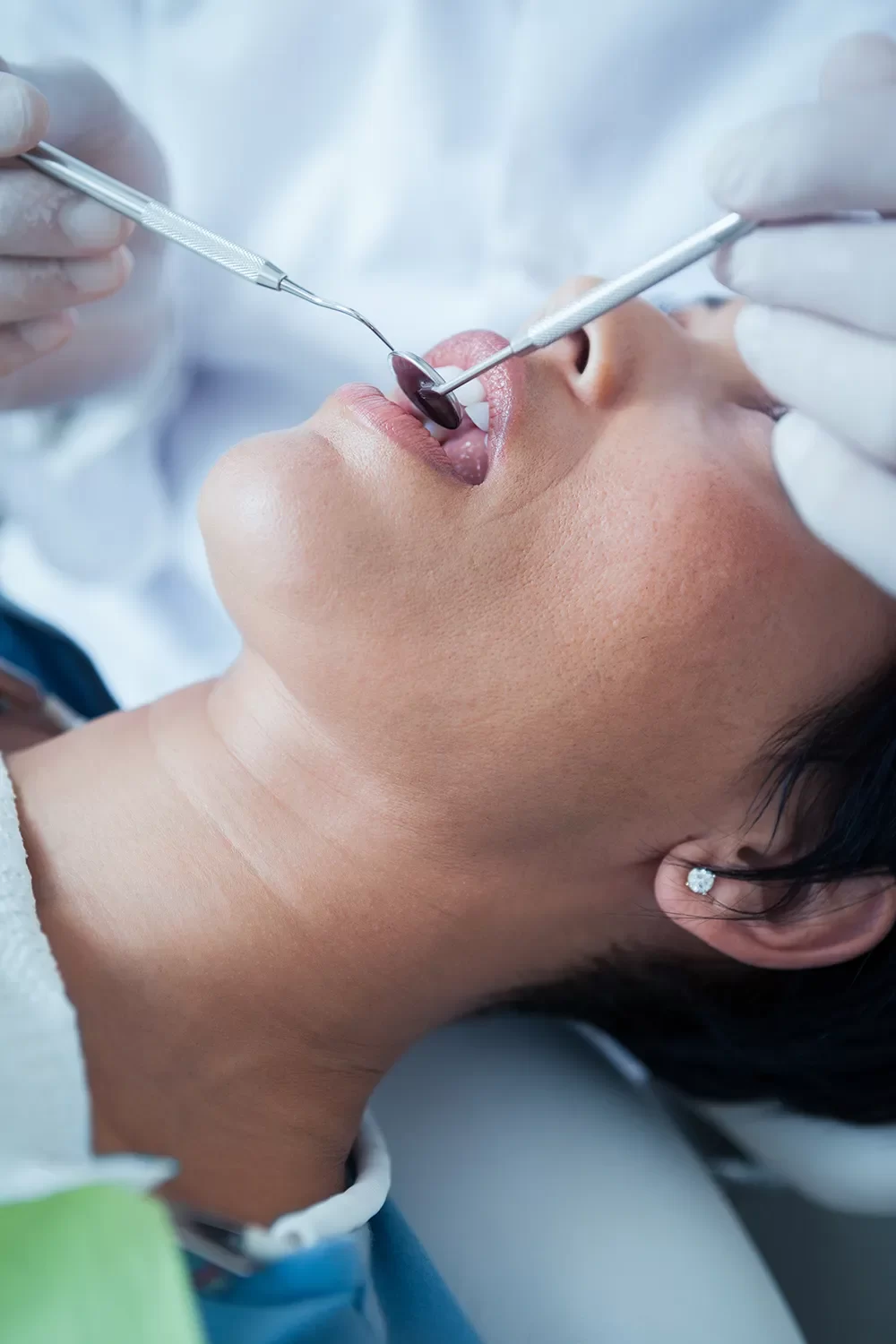
The tooth is gently loosened from the ligaments holding it in the socket. The dentist uses controlled, steady pressure to remove the tooth. For surgical cases, bone and gum tissue are handled with utmost care.
Step 3
Once the tooth is removed, the socket is thoroughly cleaned to ensure no infection remains. We place stitches if necessary and apply gauze to control bleeding and encourage clot formation.
Step 4
We provide detailed instructions for home care (avoiding dry socket) and discuss the best tooth replacement options (implants, bridges, or dentures) to restore your smile as soon as possible.
Extraction is typically the last resort, recommended when:
The tooth structure is so compromised by decay that there is not enough healthy enamel left to support a filling or crown.
The tooth has lost too much supporting jawbone due to gum disease, resulting in extreme mobility that cannot be stabilized.
A tooth (most commonly wisdom teeth) is trapped beneath the gum line and is threatening the health of neighboring teeth or the jawbone.
A previous root canal has failed due to persistent infection or complex anatomy that cannot be retreated successfully.
Cost and Insurance for Dental Extraction The cost of an extraction varies significantly based on its complexity (simple vs. surgical) and the type of anesthesia required. Since extraction is considered a necessary medical procedure to eliminate infection or pain, most dental insurance plans cover a portion of the cost. Our team at Samad Dental Studio will provide a clear estimate and, importantly, discuss the future costs of replacement options (like implants) that prevent long-term bone loss.
Our Team
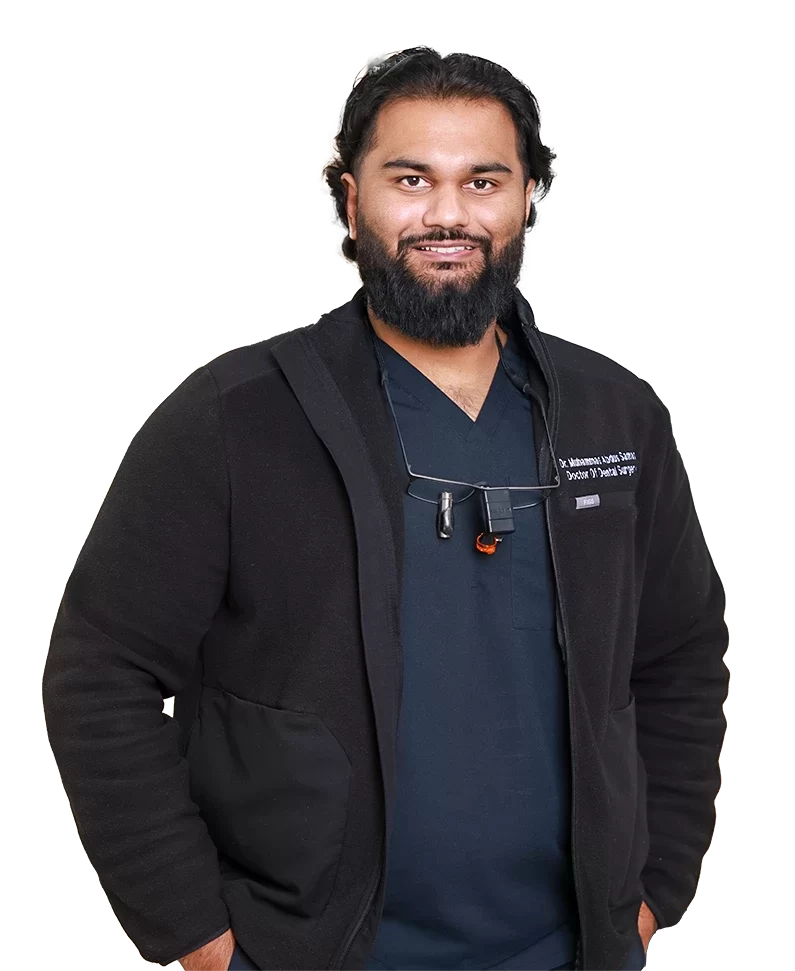
At Samad Dental Studio, our dentist is committed to providing high-quality, patient-centred dental care in a comfortable and welcoming environment. With a strong focus on preventive, restorative, and cosmetic dentistry, our approach is centred on helping patients achieve long-term oral health while feeling informed and at ease throughout their visits.
We believe in clear communication, gentle techniques, and personalised treatment plans tailored to each patient’s needs. By combining clinical expertise with modern dental technology, our goal is to deliver reliable care and positive dental experiences for patients of all ages.
Why Choose Us
We specialize in making nervous patients comfortable, offering nitrous oxide, oral sedation, or IV sedation to ensure you feel calm and relaxed throughout the procedure.
Our dentists are trained to use the most gentle, minimally invasive surgical techniques, which preserve precious jawbone structure and lead to faster, easier healing.
We proactively discuss bone grafting and replacement options (like implants) before the extraction to minimize bone loss and streamline the process of restoring your full smile.
We provide comprehensive post-operative instructions and are available to address any questions or concerns immediately during your recovery period.
Explore Our FAQ
No. We ensure the area is completely numb using powerful local anesthesia. You will feel pressure, but you should not feel any sharp pain during the removal.
A dry socket occurs when the protective blood clot dislodges from the extraction site. To prevent it, you must avoid smoking, drinking through a straw, spitting forcefully, or rinsing vigorously for the first 48 hours.
For most teeth (especially molars and incisors), yes. Replacing the tooth prevents the adjacent teeth from shifting and prevents the jawbone in that area from shrinking (bone loss).
Initial healing takes 24 to 48 hours (when you need to manage swelling and pain). The soft tissue usually heals within 1 to 2 weeks, while the bone takes a few months to fully integrate.
Book