
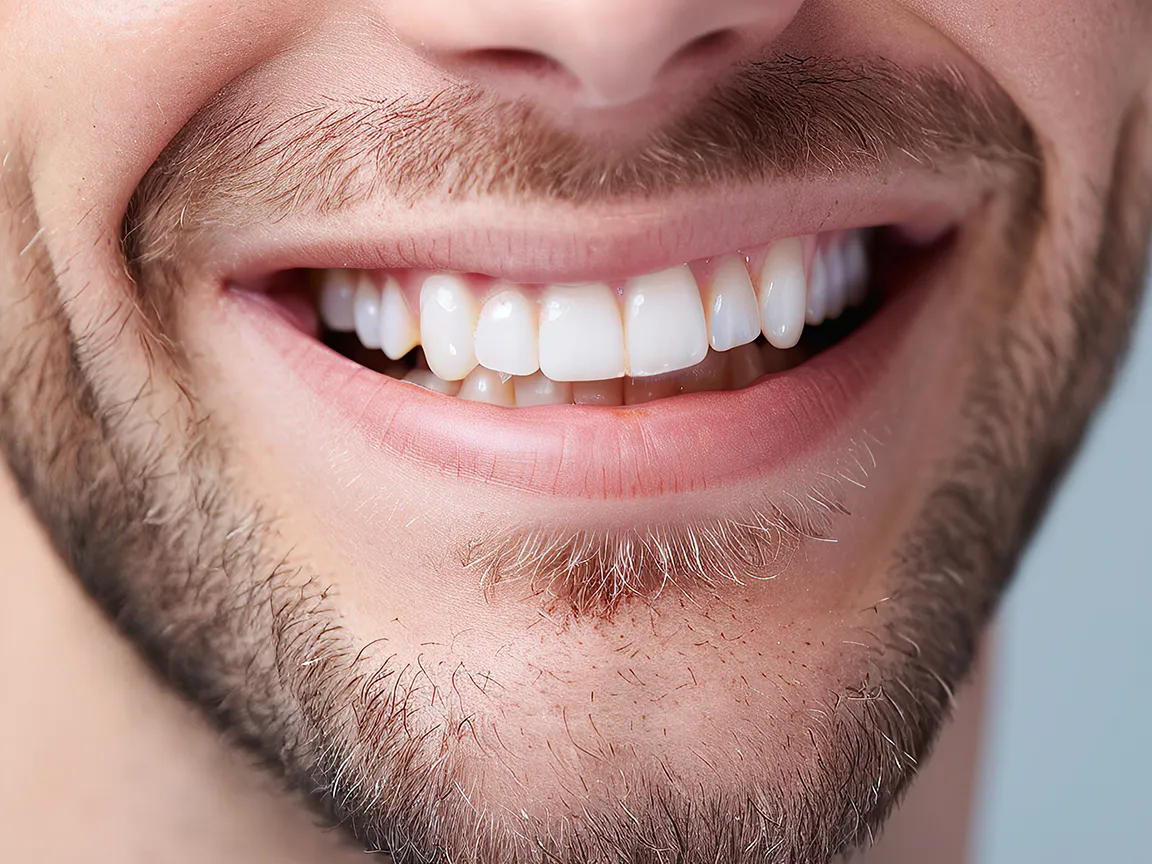
Dental Bonding
Dental Bonding is a simple, effective, and non-invasive way to repair minor chips, close small gaps, and correct shape irregularities in your front teeth. At Samad Dental Studio, we use tooth-colored composite resin, artfully sculpted and polished in just one visit, to give you immediate, beautiful aesthetic improvements.
Dental bonding is a cosmetic procedure that involves applying a durable, tooth-colored composite resin (a plastic-and-glass mixture) to the tooth surface. The dentist meticulously selects a shade that perfectly matches your natural enamel. The material is carefully shaped, molded, and then hardened with a high-intensity light. Bonding is used for both aesthetic repairs (closing gaps or fixing chips) and restorative purposes (creating tooth-colored fillings). Because it requires minimal alteration to the natural tooth structure, it is highly conservative.

The procedure usually requires little to no drilling or removal of tooth enamel, meaning most patients do not require anesthesia or experience discomfort.
Unlike veneers or crowns which require multiple visits and laboratory work, dental bonding is completed in a single appointment, allowing you to walk out with a corrected smile the same day.
Bonding is one of the least expensive and most cost-effective cosmetic treatments available, offering a significant aesthetic improvement at a fraction of the cost of porcelain veneers.
Because the process simply involves adhering material to the tooth, we preserve the maximum amount of your healthy, natural enamel.
Artistry in One Visit The procedure is fast, typically taking 30 minutes to an hour per tooth:
Step 1
The dentist uses a shade guide to select a resin color that perfectly blends with your natural teeth. The tooth surface is then lightly etched with a mild solution to create a better bonding surface.
Step 2
A conditioning liquid is applied, followed by the putty-like composite resin. The dentist then expertly sculpts and molds the resin into the desired shape, correcting the flaw artistically.
Step 3
A high-intensity light is shined directly onto the resin. This light instantly hardens and cures the material, bonding it permanently to the tooth structure.
Step 4
The material is trimmed, shaped, and polished until it has the same smooth, natural luster as the rest of your teeth, completing the immediate transformation.
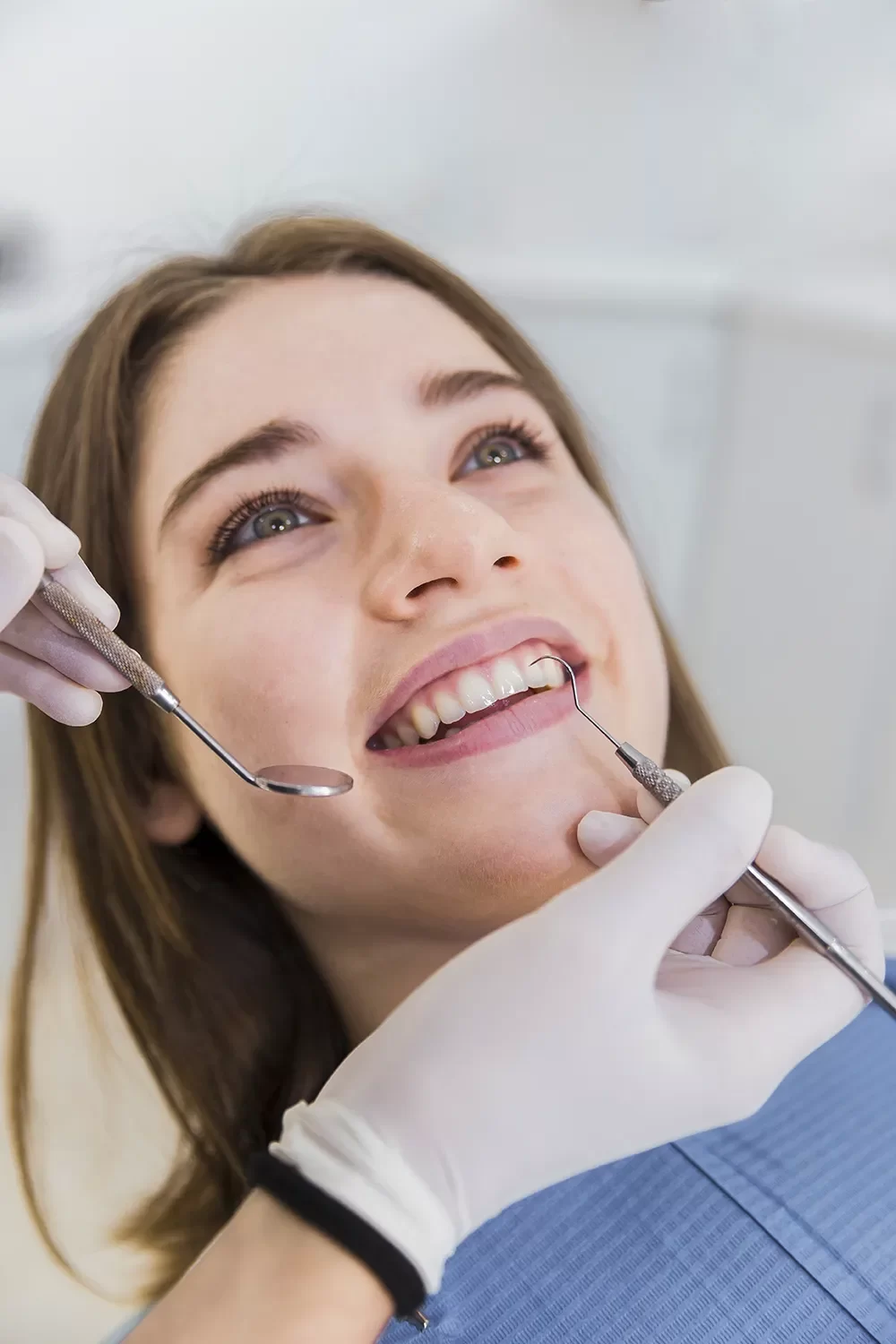
Bonding is an excellent solution for patients needing:
Fixing small chips, cracks, or minor fractures, particularly on the front teeth.
Cosmetically closing small-to-moderate spaces between the front teeth.
Making teeth appear longer or correcting misaligned edges to create a uniform smile line.
Covering exposed tooth root surfaces caused by receding gums to reduce sensitivity.
Cost and Insurance for Dental Bonding The cost of dental bonding is significantly less than that of crowns or porcelain veneers. Insurance coverage depends on the procedure’s purpose: if bonding is used as a tooth-colored filling to restore decay, it is often partially covered. However, if it is strictly used for cosmetic corrections (like closing gaps or lengthening teeth), it is typically considered an elective procedure and not covered. Samad Dental Studio provides clear cost breakdowns to help you plan your budget.
Our Team
At Samad Dental Studio, our dentist is committed to providing high-quality, patient-centred dental care in a comfortable and welcoming environment. With a strong focus on preventive, restorative, and cosmetic dentistry, our approach is centred on helping patients achieve long-term oral health while feeling informed and at ease throughout their visits.
We believe in clear communication, gentle techniques, and personalised treatment plans tailored to each patient’s needs. By combining clinical expertise with modern dental technology, our goal is to deliver reliable care and positive dental experiences for patients of all ages.

Why Choose Us
Our dentists excel at the delicate art of shaping and sculpting the composite material, ensuring the result is seamless and indistinguishable from your natural teeth.
We invest in high-quality materials and techniques to achieve precision shade matching, guaranteeing your bonded tooth blends perfectly with the surrounding natural teeth.
We prioritize non-invasive treatments. Bonding allows us to achieve stunning results while preserving maximum healthy tooth structure.
Whether you need bonding for a simple filling or a complex cosmetic repair, you benefit from our comprehensive restorative and aesthetic expertise.
Explore Our FAQ
With proper care, bonding typically lasts between 5 and 10 years. Its lifespan is shorter than that of porcelain veneers and crowns, but it is easily repaired or replaced if chipped.
Yes, composite resin is more porous than natural tooth enamel or porcelain and can stain over time, particularly from heavy consumption of coffee, red wine, or tobacco. We recommend avoiding these items in excess.
No. You should brush and floss normally. However, avoid biting down on very hard foods, chewing ice, or using your front teeth to open packages, as this could chip the resin.
You should whiten your teeth before getting bonding. The composite resin will not change color once applied, so if you whiten afterwards, the bonded area will no longer match your whiter natural teeth.
Book