
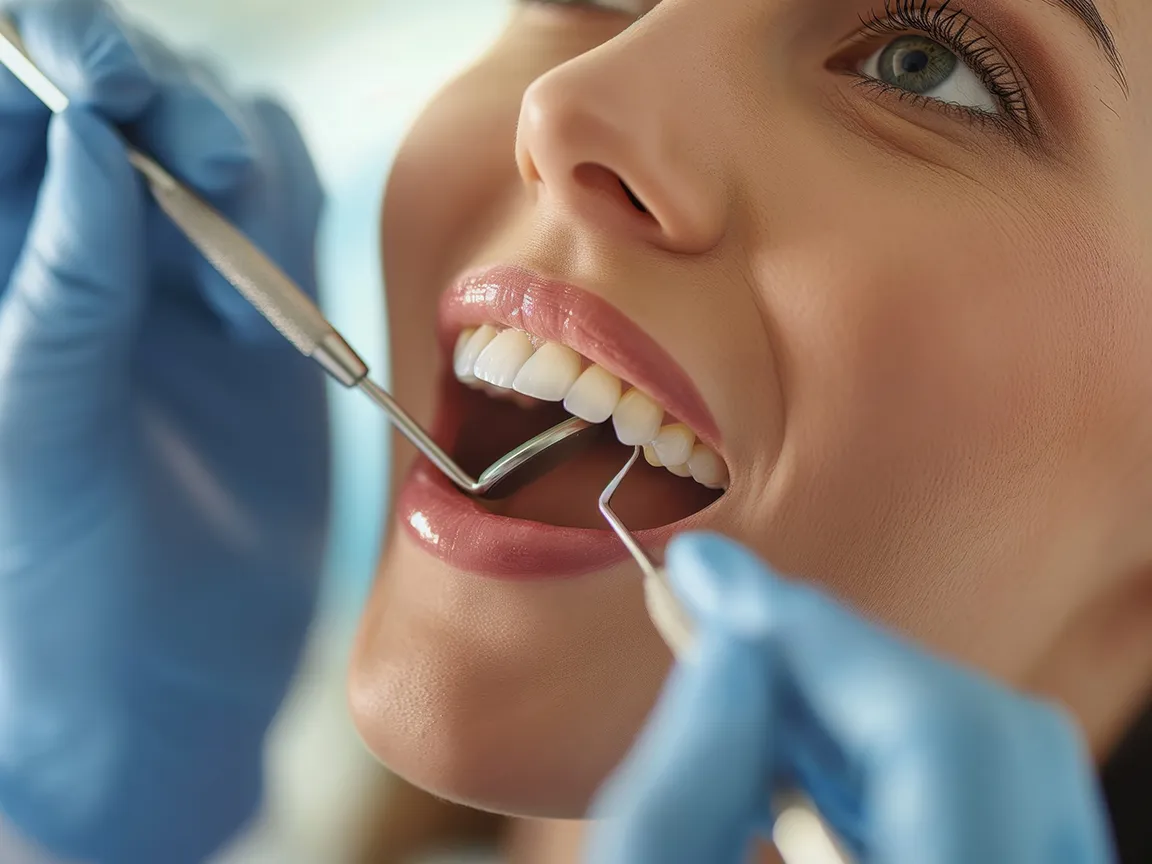
Bone Grafting
After tooth loss, trauma, or severe gum disease, the jawbone naturally begins to shrink and resorb. Dental Bone Grafting is a critical, routine procedure at Samad Dental Studio used to rebuild lost bone volume and density. This ensures a stable, strong foundation, making it possible to successfully place dental implants and preserve the natural contour of your face.
Bone grafting is a surgical procedure that transplants natural or synthetic bone material to the jawbone where bone density has been lost. The grafted material acts as a scaffold, stimulating the body to regenerate its own new, healthy bone cells over time. This procedure is essential when the remaining jawbone is too thin or soft to securely anchor a dental implant. Common types of grafts include:
Bone grafting is often the only way to ensure the necessary bone density and height are available to successfully integrate (osseointegrate) a dental implant, which is the gold standard for tooth replacement.
The jawbone supports the facial muscles and skin. Restoring the bone prevents the sunken, aged appearance that often follows long-term tooth loss.
Bone loss can compromise neighboring teeth. Rebuilding the bone structure provides necessary support and prevents adjacent teeth from shifting into the empty space.
By recreating proper ridge height, bone grafting can significantly improve the fit and stability of conventional or partial dentures.
The procedure is routine, performed comfortably under local anesthesia or sedation:
Step 1
The area is completely numbed with local anesthesia, and sedation options are available. The site is accessed via a small incision in the gum tissue.
Step 2
The selected bone graft material (which may be processed bone mineral or synthetic material) is carefully placed into the area where the bone deficiency exists.
Step 3
A protective membrane may be placed over the graft site to stabilize the material and promote optimal healing. The gum tissue is then secured with small, dissolvable sutures.
Step 4
The graft site is left to heal for three to six months. During this critical period, the scaffold material is slowly replaced by your body’s own newly formed, strong jawbone tissue.
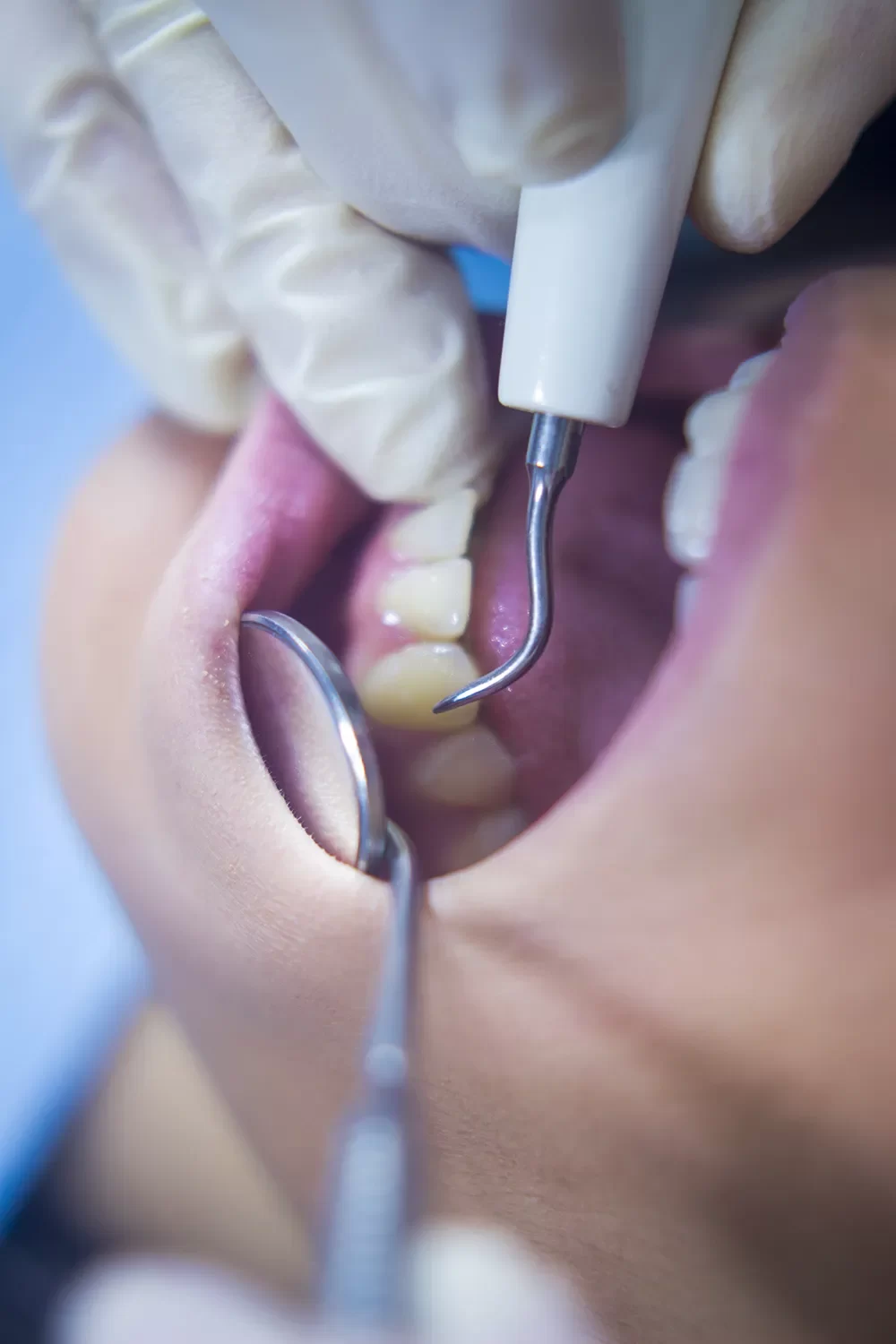
You may require bone grafting if you are planning implants and have experienced bone loss due to:
If a tooth has been missing for more than six months, the jawbone underneath will have likely resorbed, requiring augmentation before implant placement.
Patients who have lost significant supporting bone due to advanced gum disease.
Individuals receiving immediate grafting following an extraction to ensure the socket heals with sufficient bone width for a future implant.
Patients with bone loss caused by injury or naturally occurring deformities in the jaw.
Cost and Insurance for Bone Grafting Bone grafting is considered a necessary restorative and surgical procedure to prepare the mouth for definitive tooth replacement (implants). While it is not strictly cosmetic, insurance coverage varies. Many dental insurance plans will cover a portion of the cost, particularly if it is tied to an implant procedure or an extraction. At Samad Dental Studio, we emphasize that investing in a bone graft is necessary to avoid implant failure and is often less expensive than alternative, more complex reconstructive surgeries.
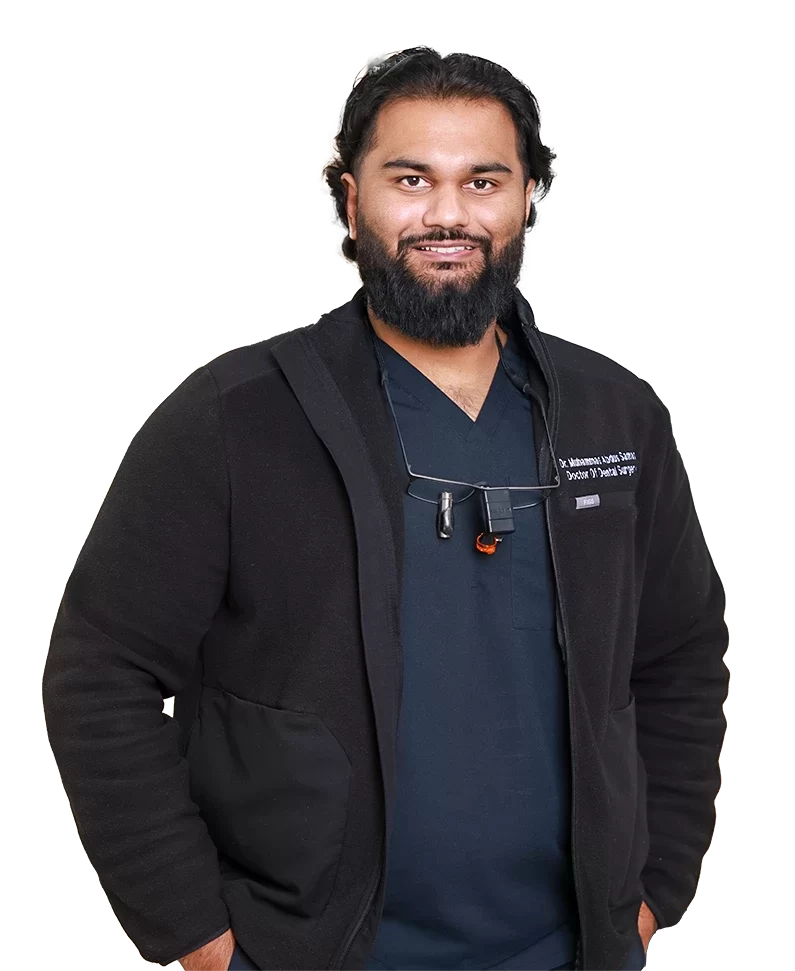
Our Team
At Samad Dental Studio, our dentist is committed to providing high-quality, patient-centred dental care in a comfortable and welcoming environment. With a strong focus on preventive, restorative, and cosmetic dentistry, our approach is centred on helping patients achieve long-term oral health while feeling informed and at ease throughout their visits.
We believe in clear communication, gentle techniques, and personalised treatment plans tailored to each patient’s needs. By combining clinical expertise with modern dental technology, our goal is to deliver reliable care and positive dental experiences for patients of all ages.
Why Choose Us
Our dentists and specialized surgeons are highly trained in all grafting techniques, including complex sinus lifts and ridge augmentations, ensuring the highest standards of safety and success.
We employ techniques that minimize trauma to the surrounding tissues, resulting in reduced post-operative discomfort and faster healing times.
We use only the highest quality, biocompatible, and FDA-approved grafting materials to ensure predictable and robust bone regeneration.
Bone grafting is always performed with the final implant placement in mind, ensuring the rebuilt bone provides the ideal angle and depth for your final restoration.
Explore Our FAQ
The procedure is performed under local anesthesia and is pain-free. We also offer sedation. Post-operative discomfort is managed effectively with prescription or over-the-counter pain relievers, and we provide detailed instructions.
The regeneration period is typically 3 to 6 months. We take diagnostic images (like 3D CT scans) to confirm the graft has fully matured into solid, dense bone before proceeding with implant placement.
Yes. We can often provide a temporary partial denture or a temporary bridge to maintain function and aesthetics while the bone graft site matures.
Book